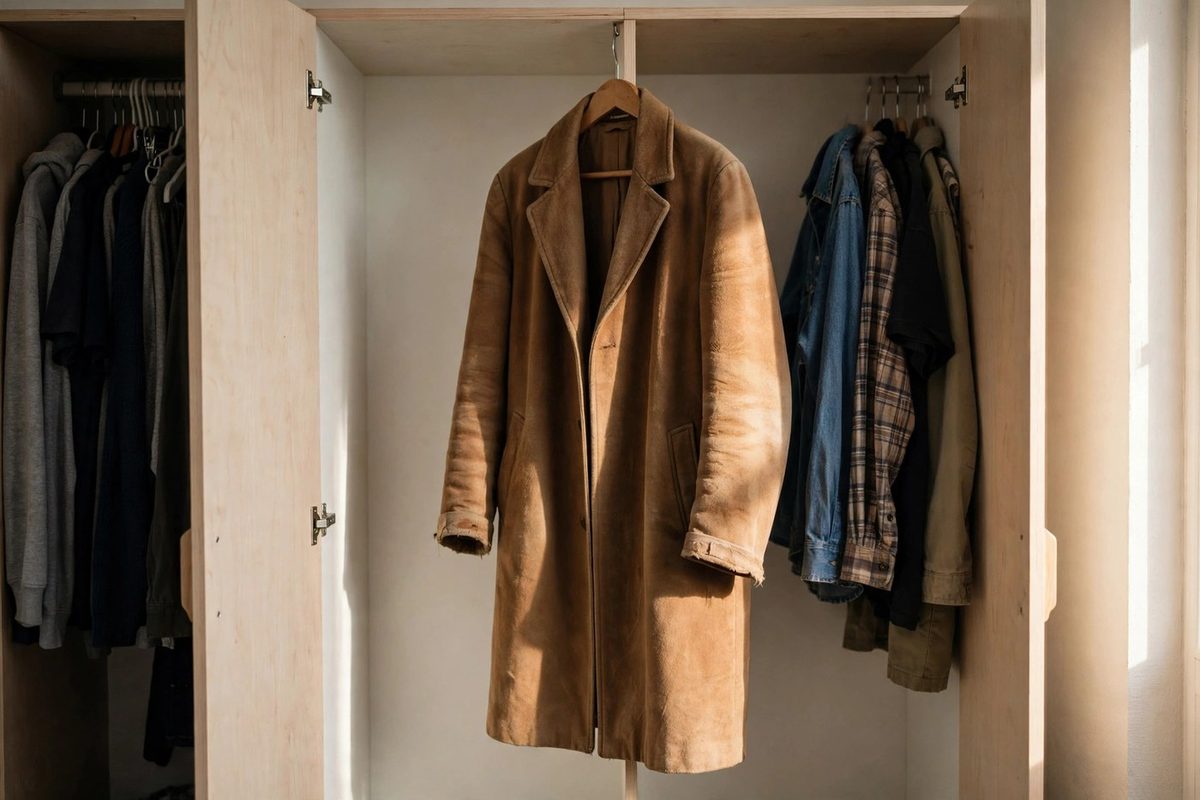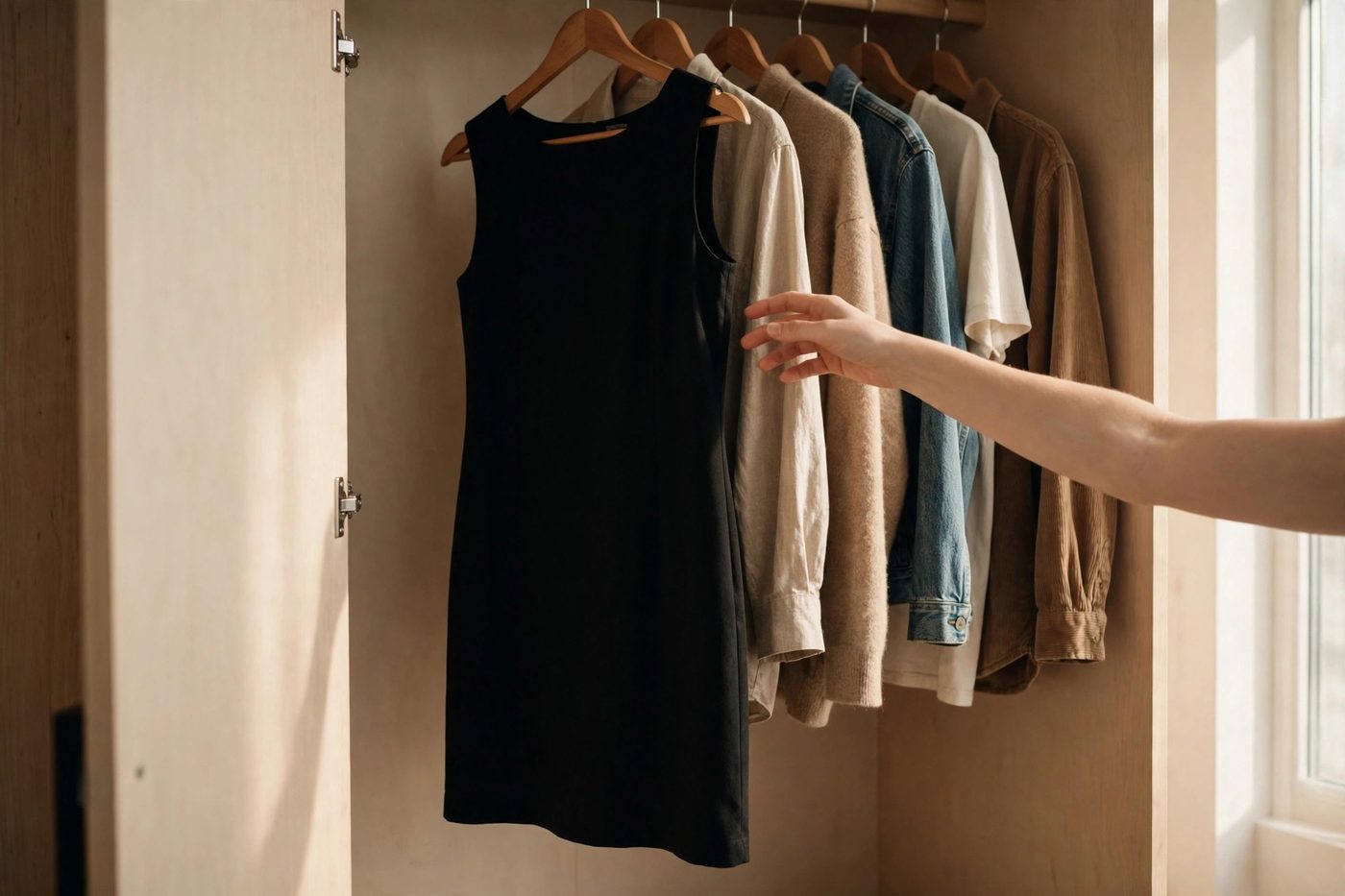
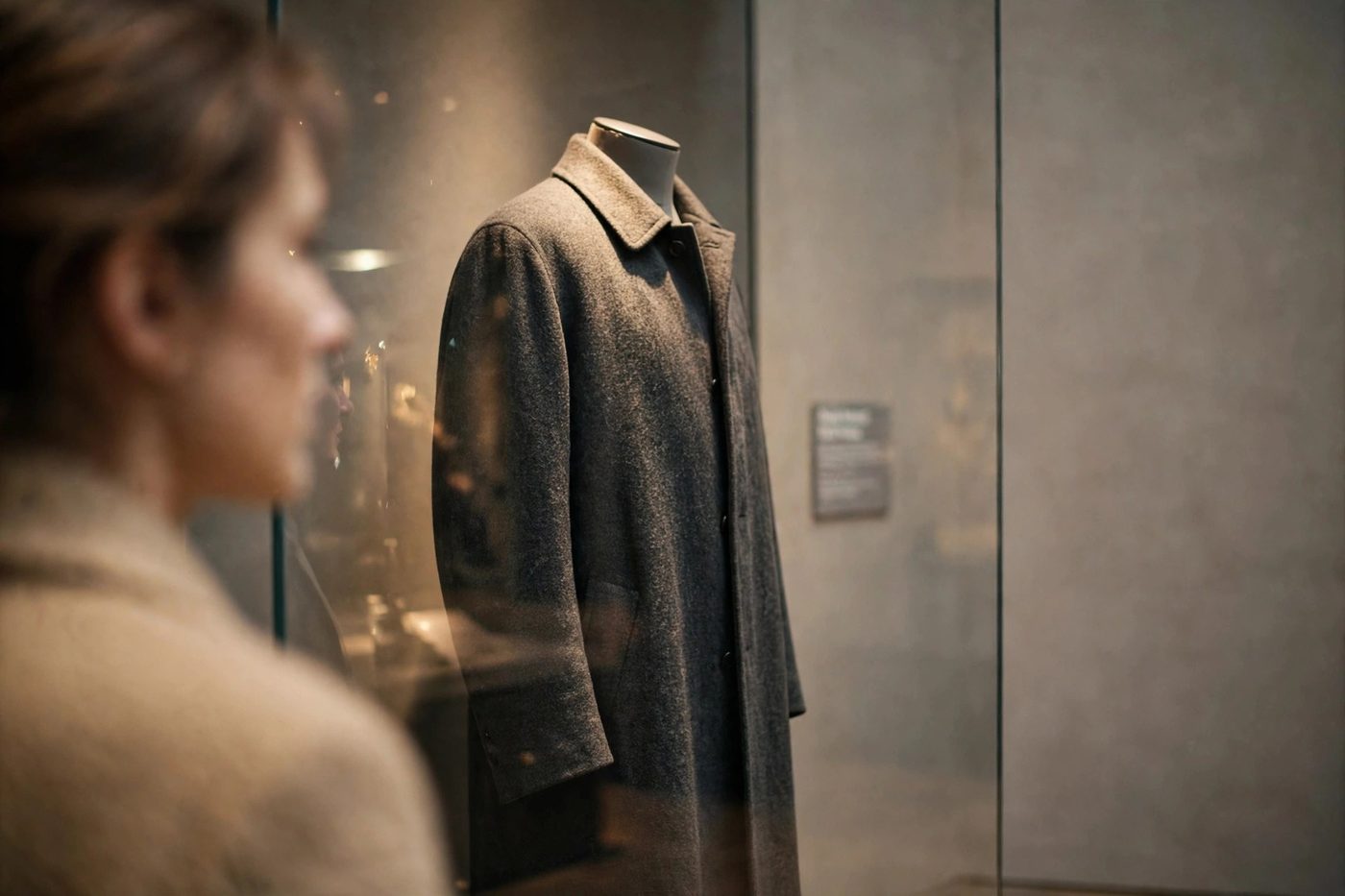
Lede: Picture a moment at an exhibition first: you are looking at a coat through glass, the light on it ceremonious, a label standing beside it — while inside you mutter, how exactly is this different from the one hanging in my wardrobe? In 2027, the Metropolitan Museum of Art in New York intends to put that question formally on the table. It has announced the theme of the Costume Institute exhibition, and the theme is a single word: extraORDINARY. The word is a compound — the first half, *ordinary*, means everyday, common; the second half, *extra*, means beyond, additional — and the meaning hides in the spelling: next year's big show is not going to talk only about finery and gowns. It is going to talk seriously about the un-ordinary things inside ordinary clothes. For those of us not planning a trip to New York, the theme is worth knowing anyway, because the question it sets is one every one of us can answer: do the clothes we wear every day deserve to be looked at carefully, once?
01What does the glass case actually change?
That mutter is nothing to be ashamed of. It is precisely the question exhibitions like this most want to answer. The Met's Costume Institute spring exhibition is the most closely watched fashion exhibition in the world each year; setting the 2027 theme as extraORDINARY points in an unmistakable direction: move the gaze away from unreachable couture one-offs, and onto ordinary clothes — the kind somebody wears every day.
So what does the glass case actually change? It changes the treatment. A garment in your wardrobe is squeezed in a row among its own kind; when you reach for it, you're thinking only about whether it's cold today and whether it goes with your trousers. Taken into a gallery, it is placed alone on a mannequin, a wide margin of emptiness around it, the light falling on it alone, and beside it a small label stating the year, the fabric and the provenance. Visitors are invited to slow down and look at things they'd never normally give a glance: where a seam finishes and whether it finishes flat, why a pocket opens at exactly that spot, the slightly polished sheen worn into the fabric across the shoulders and back after a coat has been worn for many years.
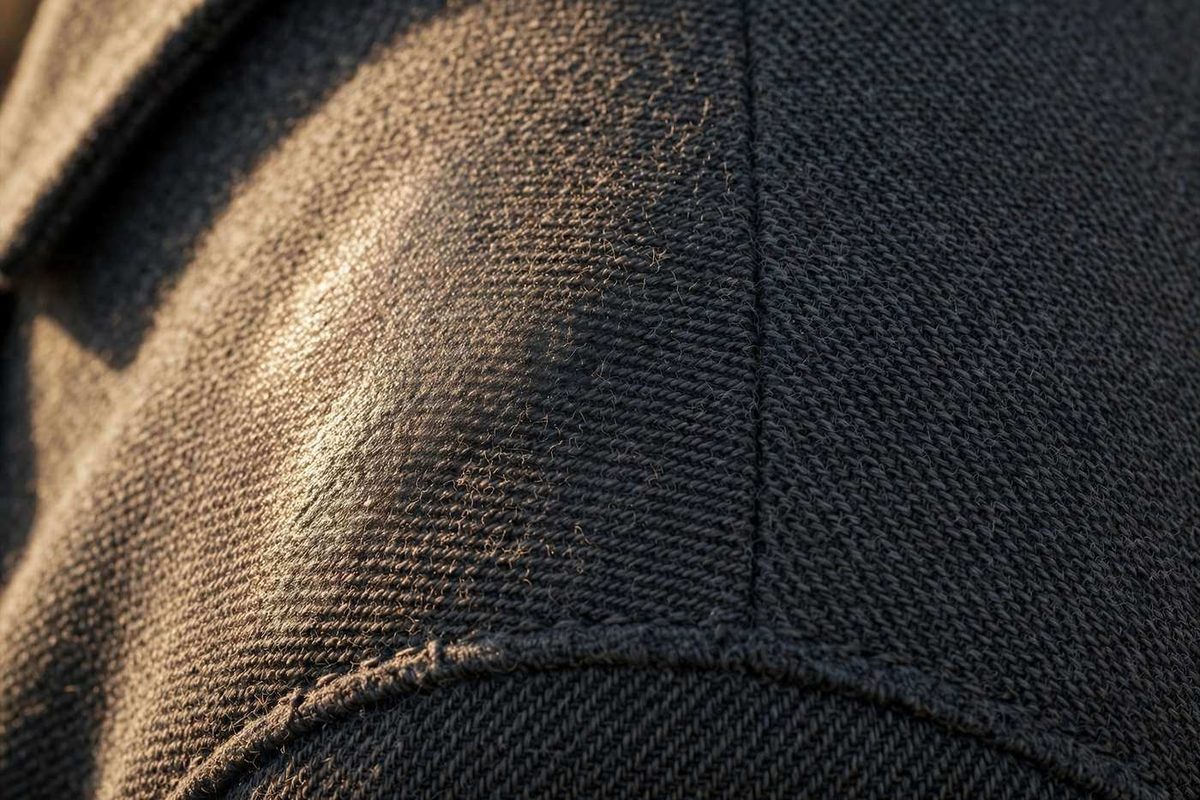
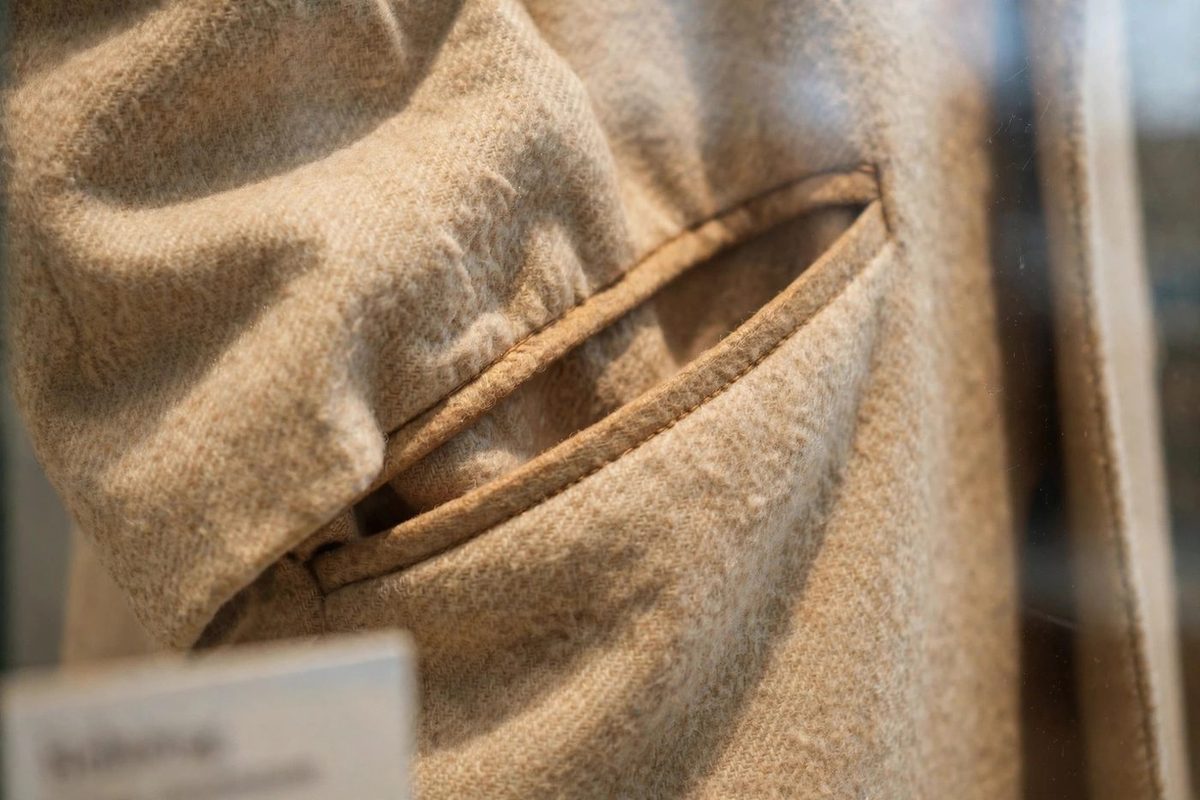
At bottom, a museum does not produce the value of these clothes. It produces attention. Ordinarily we give a garment a few seconds: one glance, and the decision — wear it or not. The gallery uses light and empty space to stretch those seconds, by main force, into minutes. And what happens when a thing is watched continuously for minutes? The details begin to speak for themselves. That is the glass case's whole secret, and the thing about it most worth learning: the first step of extraordinariness is often not changing into a more expensive garment. It is lengthening the time you spend looking.
A measure of caution is due, too: inviting everyday clothes into a gallery — done well, it dismantles a threshold; done badly, it just re-lights ordinary clothes, pairs them with grand words, and arranges them as a new pose. To judge which of the two this exhibition is, don't count how many garments it shows. Look at whether it explains "how this garment was made, and why it was made that way" in a way ordinary people can follow. Talking about craft is sincerity; talking only about atmosphere is staging. Let that standard stand here for now — when the show opens, we'll bring it back and check.
The first step of extraordinariness is often not changing into a more expensive garment. It is lengthening the time you spend looking.
02The first threshold this show dismantles is the one in the audience's mind
Fairness first: drifting through an exhibition at a glance isn't entirely the audience's fault. Plenty of people buy a ticket in high spirits and are met by walls of terminology and rows of silent exhibits; the whole burden of "understanding" is handed to the visitor, as though one ought to have read a history of dress at home first. That is how the threshold gets built up.
The cleverness of this exhibition is that it does the reverse. Every exhibit it picks is an everyday garment — the kind most people wear daily — which tells everyone walking in, directly: what you have on today, what hangs in your wardrobe at home, qualifies to be taken out and discussed seriously. Nor does a good exhibition demand homework. It first stands you in front of one concrete garment until a question rises in your own mind — even if it's only "so that's how a pocket is sewn" — and the trip has already earned its ticket price. Understanding doesn't grow by being carried out of books into heads. It grows from one concrete question. Fashion was never far from everyday life. What's far is only the speed at which we usually look at it.
03Next time you visit an exhibition, take three actions with you
If you get the chance to go to New York next year, wonderful. If not, no matter: the three actions below work at any city's fashion or design exhibition. They cost nothing, and once learned they serve for years.
Read the label first, then the garment. Most people look at exhibitions object-first: stare at the thing, find nothing, walk away. Reverse the order — read the year, fabric and origin on the label first, then look up at the object — and you'll find the same garment suddenly has much more in it to read. Knowing its fabric, you'll check whether the way it hangs matches; knowing its year, you'll understand why a design that looks ordinary now was anything but ordinary then. The label is the key the exhibition leaves for ordinary visitors. Not using it is a waste. The action works at home, too: when buying clothes, turn to the composition label before touching the price tag. Half of a fabric's temperament is written on its label.
Fix on one detail and look at it to the end. Don't try to understand the whole garment in one glance. Choose one place: a collar's circuit, a row of buttons, a hemline, and follow it slowly. Detail is the most honest part of workmanship; whether a garment has been fudged is all hidden in the places nobody examines: whether a row of buttons is stitched on evenly, whether the stitching creases at the turn, whether the lining's edge is finished cleanly. The eye you train at an exhibition goes straight to work when you're trying clothes on at home: rather than turning three circles in front of the mirror, fix on one piece of workmanship for ten seconds, and most of a garment's truth will have shown itself.
Notice how the exhibits are grouped. Which garments the curators place together, and in what order they run, is itself a statement: two garments displayed side by side are, in effect, invited to be compared with each other; one given a whole wall to itself is invited up to say a sentence. Understand the grouping and the order, and you've understood half the exhibition, because what you're seeing is not just clothes but the conclusion the curators hope you'll reach. And this one can be carried straight back into daily life: when you tidy your wardrobe, group by occasion and outfit relationships rather than hanging everything by colour, and you'll discover faster which pieces you actually wear — and which one is missing.
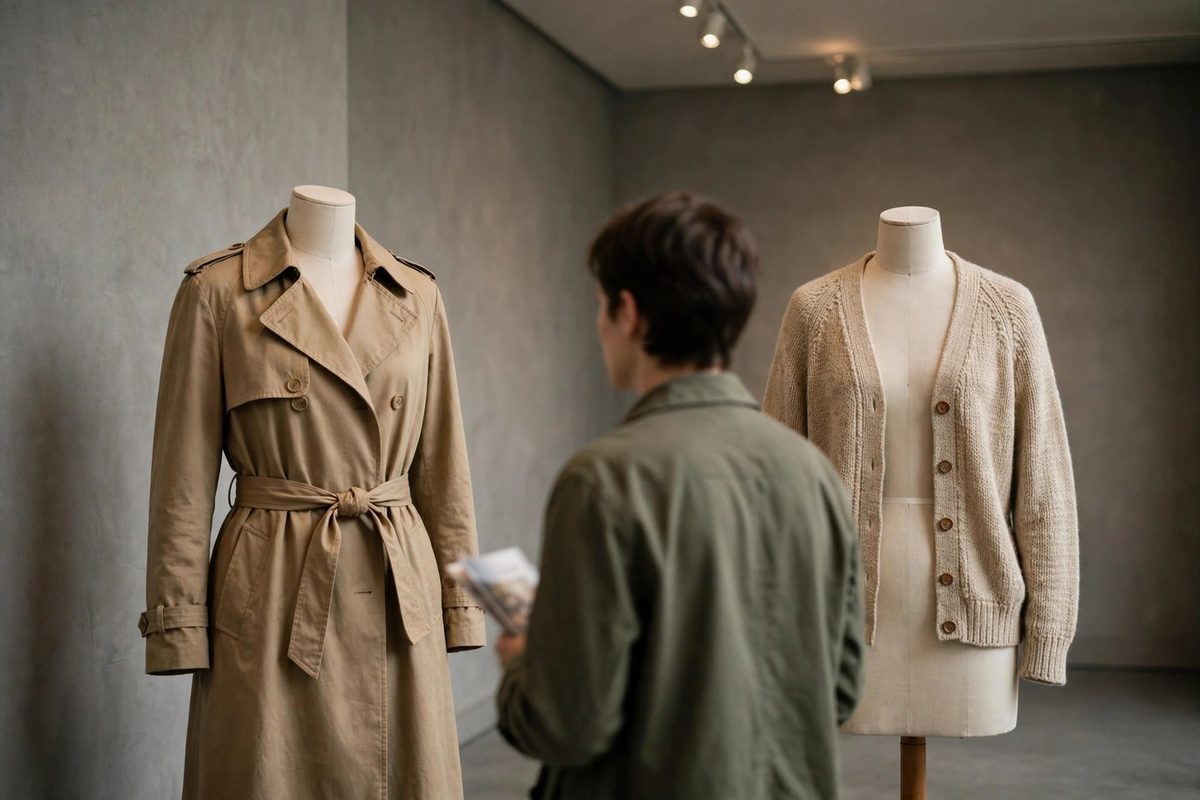
None of the three actions is greedy. Come away from one exhibition with any single moment like these, and next time you're shopping, trying things on, or tidying the wardrobe, it will surface by itself to help you.
Tonight, at home, why not run a small experiment: open the wardrobe, pick the garment you've worn longest, and treat it as an exhibit — look at it for a full three minutes. Read its label first, then fix on one detail, and follow the stitching to the places across the shoulders and back worn to a faint shine. Three minutes is longer than you'd think. Long enough for an old garment you see every day to become, once again, a little strange.